


Leak Detection Services in Los Angeles, CA
California Contractor License #399170
- ●Serving homes since 1976
- ●Same-day service
- ●Licensed and insured
- ●100% Satisfaction Guarantee
Ready when you need us
Leak detection services in Los Angeles
A hidden plumbing leak may first appear as an unexplained increase in water use, a recurring stain, damp flooring, or the sound of water running when fixtures are off. Our Los Angeles leak detection plumbers compare those symptoms with the accessible plumbing so they can narrow the likely source and explain what should happen next.
Because water can travel before it becomes visible, the first wet area is not always directly below the leak. We investigate the pattern before recommending access or repair.
Hidden supply-line leak detection
We investigate water use, sound, pressure changes, and moisture that may involve piping behind a wall, above a ceiling, below flooring, or inside a cabinet.
Underground water-line leak detection
We evaluate meter movement, reduced pressure, wet soil, pooling water, and other signs that may involve a buried supply line or outdoor plumbing.
Fixture and connection leak tracing
We check relevant faucets, toilets, valves, appliance connections, water heaters, and exposed piping when the visible moisture does not clearly identify the source.
Slab leak warning-sign assessment
When warm flooring, unexplained water use, or moisture near the floor suggests piping below concrete, we determine whether slab leak detection is the appropriate next service.
Our same day service promise
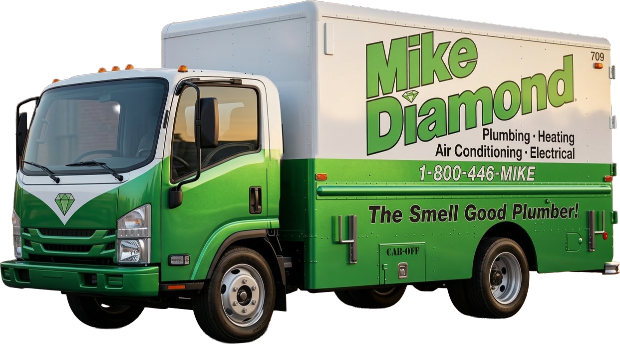
Our fully stocked trucks help us complete eligible, approved work during the same visit. Specialty parts, permits, or added work may require a follow-up.
100% Satisfaction Guarantee
If you are not satisfied with our completed work, we will return and redo work within the approved scope at no additional charge.
Signs you may have a hidden water leak
Your water use rises or the meter changes while fixtures are off
A higher bill or unexpected meter movement can indicate that water is flowing somewhere, although irrigation, automatic equipment, and unnoticed fixture use should also be ruled out. The EPA recommends reading the meter again after a period with no water use. If the reading changes, leak detection can help narrow the source.
Walls, ceilings, cabinets, or floors remain damp
A stain may appear some distance from the actual leak because water can follow framing, piping, or finished surfaces. If the moisture continues, it can damage drywall, flooring, cabinets, or insulation. Ongoing dampness can also support mold growth, so the water source should be addressed rather than covered. The CDC explains that mold grows where excess moisture is present.
You hear water moving or notice an unexplained pressure change
Running-water sounds or lower pressure can involve a concealed leak, but a fixture, valve, pressure regulator, or water-using appliance may create similar symptoms. Comparing fixtures and testing the relevant plumbing helps separate those possibilities before repair work is proposed.
Wet soil, pooling water, or an unusually green area keeps returning
Outdoor moisture that returns without recent rain or irrigation may point to a buried water line, irrigation connection, drain, or another source. Since digging in the wrong area can create unnecessary property damage and expense, the suspected route should be narrowed before excavation begins.
Leak detection for Los Angeles properties
Los Angeles has a wide range of building ages, and the citywide median year built is around 1965. However, a property’s visible finishes do not reveal when its pipes, valves, fixtures, or appliance connections were last updated. In an older or remodeled home, those parts may come from different periods and may not wear at the same rate.
For that reason, the most useful clues are what changed at the property. A stain that returns after drying, a meter that moves during a no-use period, or moisture that appears only when a particular fixture runs can help narrow the plumbing involved. An on-site evaluation then determines whether the concern calls for leak detection, an accessible repair, or another type of service.
Do you need leak detection, slab leak detection, or pipe repair?
Leak detection
Leak detection is appropriate when water use, moisture, sound, or pressure suggests a plumbing leak but the source or route is still uncertain.
Slab leak detection
When the evidence points toward supply piping beneath a concrete floor, our Los Angeles slab leak detection page explains the more focused diagnostic and repair-planning process.
Pipe repair or replacement
Once the damaged pipe or connection is identified, pipe repair or replacement addresses the confirmed failure. The location, access, pipe condition, and history determine how broad the work needs to be.
Another source evaluation
A roof, exterior opening, appliance, drain, or HVAC condensate line can produce moisture that resembles a supply leak. If the evidence does not point to plumbing, another qualified service may be needed.
What happens during a leak detection appointment?
Our plumber follows these steps to narrow the source of a suspected water leak:
- Tell us what you have noticed, when it began, and whether the symptom changes when a fixture or appliance is used.
- We inspect the relevant accessible fixtures, valves, connections, equipment, and exposed piping.
- Testing then narrows the plumbing zone or likely source using methods that fit the property and symptoms.
- You receive an explanation of the findings, any remaining uncertainty, and the recommended next step.
- If you approve repair work, we complete eligible work during the same visit or explain why a follow-up is needed.
What affects leak detection cost in Los Angeles?
Leak detection cost depends on the suspected plumbing system, the number of areas that need to be compared, access to fixtures and piping, and the testing required to narrow the source. A visible connection beneath a sink is different from moisture behind finished walls, below a floor, or along an underground line.
Detection and repair may also be separate decisions. After the evaluation, we explain what was found, what additional access or repair is recommended, and the price before authorized work begins.
Why choose Mike Diamond for leak detection in Los Angeles?
Our plumbers evaluate the symptoms, explain what the findings indicate, and provide pricing before authorized leak detection or repair work begins.
- We have serviced homes since 1976
- We are licensed and insured
- We have finance options available for large jobs
- We offer upfront and transparent pricing with no commitment
Areas served by our Hollywood management location
Our Hollywood management location coordinates leak detection appointments in Los Angeles and the following nearby cities and communities:
- Alhambra
- Altadena
- Arcadia
- Beverly Hills
- Glendale
- Montebello
- Monterey Park
- Pasadena
- Rosemead
- San Gabriel
- San Marino
- Sierra Madre
- South El Monte
- South Pasadena
- Temple City
- Universal City
- West Hollywood
Management location
This location supports leak detection appointments across Los Angeles and the surrounding service area.
Los Angeles leak detection questions
What can a leak detection plumber investigate?
A leak detection plumber can investigate symptoms involving fixtures, exposed connections, concealed supply lines, underground water lines, and piping near or beneath a slab. The visit narrows whether plumbing is the likely source and what access or repair should be considered next.
Can a water meter confirm that I have a leak?
A meter that changes during a period when no water is being used can indicate that water is flowing unexpectedly. However, it does not identify the location or distinguish among a plumbing fixture, irrigation system, appliance, underground line, or concealed pipe. The EPA provides a simple meter-check procedure for homeowners.
Does a damp wall or ceiling always mean a plumbing leak?
No. Plumbing, roofing, exterior water intrusion, appliance connections, drains, and HVAC condensation can create similar moisture. The timing of the dampness and the systems near the affected area help determine which source should be evaluated.
Can you locate an underground water leak?
Yes. We evaluate signs that may involve buried supply lines or outdoor plumbing, including unexplained meter movement, reduced pressure, wet soil, and recurring pooling. The evidence and available access determine how closely the suspected area can be narrowed before repair or excavation.
How is slab leak detection different from general leak detection?
General leak detection considers several possible plumbing and non-plumbing sources. Slab leak detection focuses on signs that may involve piping beneath or within a concrete foundation area. Our Los Angeles slab leak detection page explains that specialized service in more detail.
What should I do if water is actively spreading?
If it is safe, shut off the affected fixture or the property's main water supply and move belongings away from the wet area. Do not enter standing water or touch wet equipment near an electrical source. Arrange service promptly so the source can be evaluated and further water movement can be limited.
Can you repair the leak during the same visit?
Eligible, approved repairs may be completed during the same visit when the source is accessible and the necessary materials are available. A concealed route, specialty part, permit, additional planning, or larger repair scope may require a follow-up. We explain the next step before additional work proceeds.
