


HVAC Terminology: Simplified Definitions and Explanations

Here you will find definitions of common HVAC terminology and related industry terms to help you better understand heating, ventilation, and air conditioning systems.
A
- Accumulator: A refrigerant storage component that prevents liquid refrigerant from entering the compressor.
- Actuator: A motorized device that moves dampers or valves in response to control signals.
- Adaptive Control Logic: Software that adjusts system operation based on usage patterns and environmental data.
- AFUE (Annual Fuel Utilization Efficiency): A measurement of how efficiently a furnace converts fuel into usable heat over a year. Higher percentages indicate better efficiency.
- Air Balancing: The process of adjusting airflow to ensure even distribution throughout a building.
- Air Changes Per Hour (ACH): The number of times the total volume of air in a space is replaced within one hour.
- Air Cleaner: A device designed to remove airborne contaminants such as dust, pollen, and allergens.
- Air Handler: The indoor component of an HVAC system that circulates conditioned air through ductwork using a blower, filter, and coil.
- Airflow: The movement of air through HVAC ducts, measured in cubic feet per minute (CFM).
- Ambient Temperature: The temperature of the surrounding air in a given environment.
- Amp Draw: The electrical current a component consumes during operation, used for diagnostics.
- ASHRAE: American Society of Heating, Refrigerating, and Air-Conditioning Engineers, which sets industry standards and best practices.
B
- Backdraft: Reverse airflow in a flue or chimney that can cause combustion gases to re-enter the building.
- Baffle: A plate or panel used to direct airflow or improve heat transfer.
- Balance Point: The outdoor temperature at which a building’s heat loss equals the heat produced by the system.
- Blended Air: A mixture of return air and outdoor air before conditioning.
- Blower Motor: An electric motor that drives the fan responsible for moving air through the HVAC system.
- Booster Fan: An auxiliary fan installed to improve airflow in specific duct sections.
- BTU (British Thermal Unit): A unit of heat measurement representing the energy required to raise one pound of water by one degree Fahrenheit.
- Building Automation System (BAS): A centralized system that controls HVAC, lighting, and other building operations.
- Building Envelope: The physical barrier between indoor and outdoor environments, including walls and insulation.
- Burner Assembly: The complete set of components that mix fuel and air for combustion.
C
- Capacitor: An electrical component that stores energy and helps motors start and run efficiently.
- Capacity Control: The ability of a system to adjust output based on demand.
- Carbon Monoxide (CO): A colorless, odorless gas produced by incomplete combustion, potentially hazardous if leaked indoors.
- Carbon Monoxide Draft Test: A safety test ensuring combustion gases vent properly.
- Cascade System: A refrigeration setup using multiple refrigerants for extremely low temperatures.
- CFM (Cubic Feet per Minute): A standard measurement of air volume moving through an HVAC system.
- Charge (Refrigerant Charge): The precise amount of refrigerant required for proper system operation.
- Chiller: A large cooling system used in commercial or industrial buildings to remove heat from liquids.
- Comfort Cooling: Cooling designed primarily for occupant comfort rather than industrial processes.
- Compressor: The heart of an air conditioning system that pressurizes refrigerant and enables heat transfer.
- Condensate Neutralizer: A device that neutralizes acidic condensate from high-efficiency furnaces.
- Condenser Coil: The outdoor coil where heat is released from refrigerant into the surrounding air.
- Control Board: The electronic board that manages HVAC system operations.
D
- Damper: A movable plate within ductwork used to regulate or balance airflow.
- Dead Band: The temperature range where neither heating nor cooling is activated.
- Defrost Cycle: A function in heat pumps that removes frost buildup from the outdoor coil in cold weather.
- Dehumidifier: A device that removes excess moisture from the air to improve comfort and prevent mold growth.
- Delta T (ΔT): The temperature difference between supply and return air.
- Demand Control Ventilation (DCV): A system that adjusts ventilation based on occupancy.
- Design Temperature: The outdoor temperature used to size HVAC systems for peak conditions.
- Dew Point: The temperature at which air becomes saturated and moisture condenses.
- Direct Expansion (DX) System: A cooling system where refrigerant directly absorbs heat from indoor air.
- Duct Leakage Test: A diagnostic test measuring air loss from ductwork.
- Ductwork: A network of passages that distribute heated or cooled air throughout a building.
E
- ECM (Electronically Commutated Motor): A high-efficiency motor that adjusts speed based on system demand.
- EER (Energy Efficiency Ratio): A measurement of cooling efficiency under specific operating conditions.
- Energy Factor (EF): A measure of water heater efficiency.
- Energy Recovery Ventilator (ERV): A system that exchanges stale indoor air with fresh outdoor air while retaining energy.
- Energy Recovery Wheel: A rotating device that transfers heat and moisture between exhaust and incoming air.
- Enthalpy: A measurement combining air temperature and humidity to determine total heat content.
- Evaporative Load: Cooling demand caused by moisture removal.
- Evaporator Coil: The indoor coil where refrigerant absorbs heat from indoor air, producing cooling.
- Exhaust Fan: A fan that removes stale air from a space.
- Expansion Ratio: The pressure difference between high- and low-side refrigerant flow.
- External Static Pressure: Resistance the blower must overcome to move air through ductwork.
F
- Face Velocity: The speed of air moving across a coil or filter surface.
- Fan Coil Unit (FCU): A system that circulates air across a heating or cooling coil.
- Filter MERV Rating: A scale that measures a filter’s ability to capture airborne particles.
- Filter: A device that captures dust, pollen, and contaminants to improve indoor air quality.
- Fire Damper: A safety device installed in ductwork to prevent fire spread.
- Flame Rectification: A method used to verify burner flame presence.
- Flame Sensor: A safety component that detects burner flame presence.
- Flow Hood: A tool used to measure air volume at registers.
- Forced-Air System: An HVAC system that distributes air using a blower and ductwork.
- Free Cooling: Using outdoor air for cooling when conditions allow.
- Fusible Link: A safety component that melts to close a fire damper.
G
- Gas Furnace: A heating system that burns natural gas or propane to generate heat.
- Gas Train: A series of valves and regulators controlling gas flow to a burner.
- Gas Valve Regulation: The controlled flow of gas to burners.
- Glide (Refrigerant): The temperature range at which blended refrigerants evaporate or condense.
- Grain Depression: A measurement of moisture removed from air during dehumidification.
- Grain of Moisture: A unit used to measure humidity levels in air.
- Grille Face Area: The visible portion of an air grille through which air flows.
- Grille: The visible vent cover that allows air to enter or exit a room.
- Ground Source Heat Pump (Geothermal): A system that transfers heat to or from the ground for efficient heating and cooling.
- Ground Source Loop: The underground piping system used in geothermal HVAC systems.
H
- Head Pressure Control: A system that regulates condenser pressure in varying conditions.
- Heat Exchanger: A component that transfers heat from combustion gases to circulating air.
- Heat Pump Balance Point: The outdoor temperature at which auxiliary heat is required.
- Heat Pump: A system that provides both heating and cooling by transferring heat rather than generating it.
- Heat Rejection: The process of expelling unwanted heat from a system.
- Heat Rise: The temperature increase across a furnace.
- High-Limit Switch: A safety device that shuts off the furnace if temperatures exceed safe levels.
- Humidistat: A control device that regulates indoor humidity levels.
- Humidity: The amount of moisture present in the air.
- HVAC Zoning Panel: A control board that manages airflow to different zones.
- Hydronic Heating: A system that uses hot water circulated through pipes to provide heat.
I
- IAQ Monitoring: Continuous measurement of indoor air contaminants.
- Indoor Air Quality (IAQ): The cleanliness and health of air inside a building.
- Induced Draft Motor: A fan that draws combustion gases through the heat exchanger.
- Infiltration Rate: The amount of outdoor air entering a building unintentionally.
- Infiltration: Uncontrolled air leakage into a building through cracks or openings.
- Insulated Duct: Ductwork wrapped with insulation to prevent heat loss or gain.
- Interlock: A safety mechanism preventing unsafe system operation.
- Intermittent Fan Operation: Fan cycling used to improve air mixing and filtration.
- Inverter Technology: A system that adjusts compressor speed for improved efficiency and comfort.
- Ionizer: An air-cleaning device that charges particles to improve filtration.
- Isolation Valve: A valve used to shut off sections of a system for service.
J
- J-Box: Electrical junction box used for HVAC wiring connections.
- J-Load Calculation: A standardized method for sizing HVAC equipment accurately.
- Jet Nozzle: A directional airflow outlet designed for targeted air distribution.
- Jobsite Commissioning: Final system testing to ensure proper installation and performance.
- Joint Sealing Compound: Material used to prevent duct leakage at connections.
- Joule: A metric unit of energy sometimes used in HVAC calculations.
K
- K-Factor: A coefficient used to calculate airflow or heat transfer rates.
- Kilowatt Demand: Electrical load drawn during system operation.
- Kilowatt-Hour (kWh): A unit of electrical power used to measure HVAC energy consumption.
- Knee Wall Insulation: Insulation used in attic spaces affects HVAC performance.
- Knockdown Pressure: Pressure reduction caused by system load or airflow restriction.
- Knockout: A removable panel in HVAC equipment for routing wiring or piping.
L
- Latent Capacity: A system’s ability to remove moisture from air.
- Latent Heat: Heat associated with moisture content rather than temperature change.
- Lifecycle Cost: Total cost of ownership including installation, energy, and maintenance.
- Lift (Compressor Lift): The pressure difference a compressor must overcome.
- Line Set Insulation: Protective covering for refrigerant lines.
- Line Set: Copper tubing that carries refrigerant between indoor and outdoor units.
- Load Calculation: A process used to determine the correct HVAC system size for a building.
- Load Diversity: Variations in heating or cooling demand across zones.
- Lockout Mode: A safety condition where the system shuts down to prevent damage.
- Low-Ambient Kit: Equipment that allows air conditioners to operate in cold conditions.
- Low-Pressure Switch: A safety device that shuts down the system if refrigerant pressure drops too low.
M
- Maintenance Interval: Manufacturer-recommended service schedule.
- Make-Up Air Unit (MAU): A system that replaces exhausted air with conditioned outdoor air.
- Make-Up Air: Fresh air introduced into a building to replace exhausted air.
- Manifold Gauge: A diagnostic tool used to measure refrigerant pressures.
- Manual Damper: A fixed damper adjusted during system balancing.
- MERV (Minimum Efficiency Reporting Value): A rating that indicates how effectively an air filter captures particles.
- Microchannel Coil: A compact, efficient condenser coil design.
- Mini-Split System: A ductless HVAC system providing zoned comfort.
- Mixed Air Temperature: The temperature of combined return and outdoor air.
- Modulating Burner: A burner that adjusts flame intensity based on demand.
- Multi-Stage Compressor: A compressor with multiple capacity levels.
N
- Natural Ventilation: Airflow achieved without mechanical systems, using windows or vents.
- Negative Pressure: A condition where air is drawn into a space due to lower internal pressure.
- Net Free Area: The open area of a grille or louver that allows airflow.
- Neutral Air: Conditioned air supplied at room temperature.
- Neutral Pressure Plane: The point where indoor and outdoor pressures equalize.
- Neutralizer Media: Material used to treat acidic condensate.
- No-Heat Call: A thermostat demand for heating without system response.
- Noise Attenuator: A device used to reduce airflow noise.
O
- Occupancy Sensor Integration: HVAC control linked to motion detection.
- Oil Furnace: A heating system that burns fuel oil.
- Oil Separator: A device that removes oil from refrigerant flow.
- Operating Envelope: The range of conditions in which a system functions properly.
- Outdoor Reset Control: Adjusts heating output based on outdoor temperature.
- Outdoor Unit: The exterior portion of an HVAC system that houses the compressor and condenser coil.
- Overcooling: Excessive cooling that reduces comfort and increases humidity.
- Overload Protector: A safety device that prevents motors from overheating.
P
- Plenum Box: An enclosed space used to distribute or collect air.
- Plenum: A chamber that distributes conditioned air from the HVAC unit into ducts.
- Positive Pressure: Air pressure inside a building that is higher than outside pressure.
- Pre-Charge Refrigerant: Factory-installed refrigerant for standardized installations.
- Preheat Coil: A coil used to warm incoming air before final heating.
- Pressure Drop: The reduction in air or fluid pressure through a system.
- Pressure Switch: A safety control that monitors airflow or refrigerant pressure.
- Programmable Thermostat: A thermostat that allows scheduled temperature adjustments.
- PSI (Pounds per Square Inch): A unit used to measure refrigerant pressure.
- Psychrometric Chart: A chart used to analyze air properties and HVAC performance.
- Purge Cycle: A system function that clears gases or air before ignition.
R
- R-Value: A measure of insulation’s resistance to heat flow.
- Rated Capacity: Manufacturer-specified output under standard conditions.
- Recovery Time: How quickly a system returns to set temperature.
- Refrigerant Migration: Movement of refrigerant during off cycles, potentially causing damage.
- Refrigerant: A chemical compound used to absorb and release heat during the cooling process.
- Reheat Cycle: A dehumidification method that reheats cooled air.
- Reheat: Warming air after dehumidification to maintain comfort.
- Reset Control: Adjusts system output based on outdoor temperature.
- Return Air: Air drawn back into the HVAC system to be reheated or recooled.
- Return Plenum: Chamber that collects air returning to the HVAC unit.
- Riser: Vertical piping that distributes air or fluid between floors.
- Run Capacitor: A capacitor that helps maintain motor operation efficiency.
S
- SEER (Seasonal Energy Efficiency Ratio): A rating that measures air conditioner cooling efficiency over a season.
- SEER2 / EER2: Updated efficiency standards reflecting real-world conditions.
- Sensible Heat Ratio (SHR): The ratio of sensible cooling to total cooling.
- Short Cycling: Frequent system on/off operation that reduces efficiency and lifespan.
- Smart Zoning: Automated airflow control based on room usage.
- Smoke Damper: A duct device that prevents smoke spread.
- Soft Start: A method that reduces electrical surge during startup.
- Split System: An HVAC system with indoor and outdoor components separated.
- Static Pressure Profile: Air resistance measurement throughout ductwork.
- Subcooling: The temperature drop of liquid refrigerant below its condensing point.
- Supply Air: Conditioned air delivered into a space.
T
- Thermal Bridging: Heat transfer through structural materials bypassing insulation.
- Thermal Comfort: The condition where occupants feel neither too hot nor too cold.
- Thermal Mass: Materials that store and release heat slowly.
- Thermostat: A control device that regulates indoor temperature.
- Thermostatic Expansion Valve (TXV): A valve regulating refrigerant flow precisely.
- Time Delay Relay: Electrical component that delays system start or shutdown.
- Ton of Refrigeration: A unit equal to 12,000 BTUs per hour.
- Ton: A cooling capacity measurement equal to 12,000 BTUs per hour.
- Total External Static Pressure (TESP): Combined resistance affecting airflow.
- Triple-Function Valve: Controls heating, cooling, and domestic hot water flow.
- Turbulator: A device that improves heat transfer inside tubes.
- Two-Stage System: HVAC equipment with two output levels for improved efficiency and comfort.
U
- U-Tube Heat Exchanger: A curved heat exchanger design common in boilers.
- Underfloor Air Distribution: HVAC method delivering air through floor plenums.
- Unoccupied Mode: A thermostat setting that reduces energy use when spaces are empty.
- Upflow Coil: Evaporator coil configuration designed for upward airflow.
- Upflow Furnace: A furnace design where air flows upward through the system.
- User Setback Scheduling: Pre-programmed temperature changes for efficiency.
- UV Light: A purification device used to reduce bacteria and mold inside HVAC systems.
V
- Variable Refrigerant Flow (VRF): Advanced system allowing simultaneous heating and cooling.
- Variable-Speed Motor: A motor that adjusts speed for greater efficiency and consistent comfort.
- VAV (Variable Air Volume): A system that adjusts airflow based on demand.
- Velocity Pressure: Air pressure created by airflow speed.
- Vent Connector: Pipe connecting appliances to flue systems.
- Ventilation: The process of exchanging indoor air with outdoor air.
- Venturi Effect: Pressure reduction caused by fluid flow through a constricted area.
- Verification Testing: Post-install tests confirming proper operation.
- Vibration Isolator: A device that reduces noise and vibration transmission.
- Volume Damper: A device that regulates airflow quantity.
W
- Warm-Up Cycle: A system mode that brings space temperature to setpoint quickly.
- Warranty: Manufacturer coverage for HVAC components and systems.
- Water-Cooled Condenser: A condenser that uses water instead of air for heat rejection.
- Wear Indicators: Diagnostic signs predicting component failure.
- Weather Compensation: System adjustment based on outdoor conditions.
- Wet Bulb Temperature: Measurement accounting for humidity and evaporation.
- Whole-Home Humidifier: A system that adds moisture to indoor air through HVAC ductwork.
- Work Air: Air used to maintain pressure balance in a building.
X
- X-Factor (Heat Transfer): A coefficient used in thermal performance calculations.
- X-Flow Coil: A coil design that improves refrigerant distribution and efficiency.
Y
- Year-Round Efficiency: System performance measured across all seasons.
- Yield Efficiency Curve: Performance comparison across operating conditions.
Z
- Zero Clearance Furnace: A furnace designed to operate safely near combustible materials.
- Zone Averaging: Temperature control method using multiple sensors.
- Zone Control Module: A controller managing dampers and thermostats for zoned systems.
- Zone Damper: A motorized damper that controls airflow to a specific area.
- Zone Priority Logic: Programming that favors specific areas during demand.
- Zoning Bypass Damper: A pressure relief damper used in zoned duct systems.
- Zoning Junction: A control point where multiple duct zones connect.
- Zoning System: A setup that allows different areas of a building to be heated or cooled independently.
GET AN EVALUATION NOW
Terms and Conditions | Privacy Policy

Services


OUR BLOGS
Latest News & Insights

How to Install a Toilet: 8-Step Installation Guide
Learn how to install a toilet in eight steps, from measuring the rough-in and inspecting the flange to setting the bowl and testing every connection for leaks.

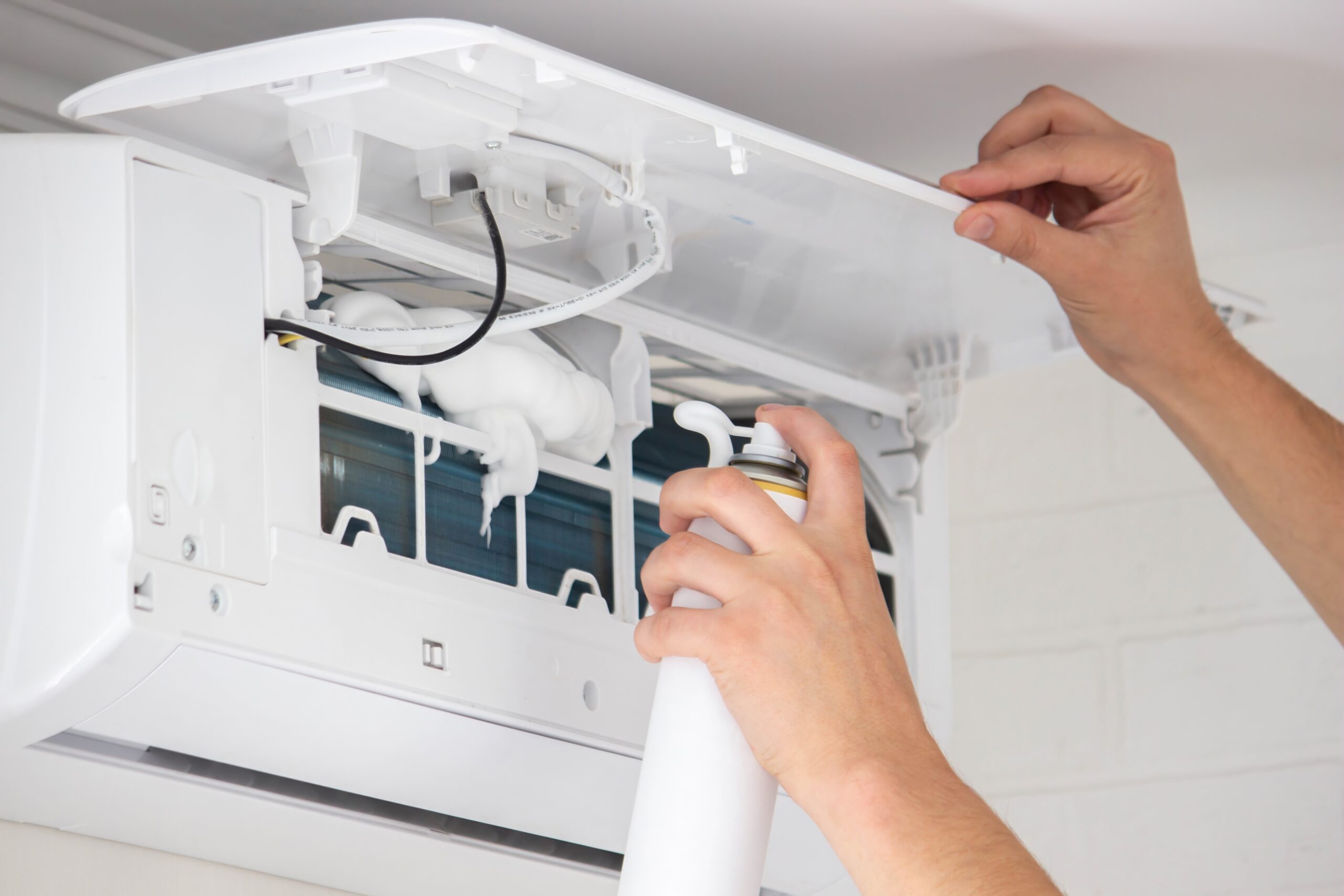
Don’t Sweat the Breakdown: AC Repair That Solves It Fast
A cooling system that stops working in Southern California is not an abstract inconvenience; it is a genuinely uncomfortable situation that gets worse with every hour nobody addresses it. Getting quality AC repair in Gardena,
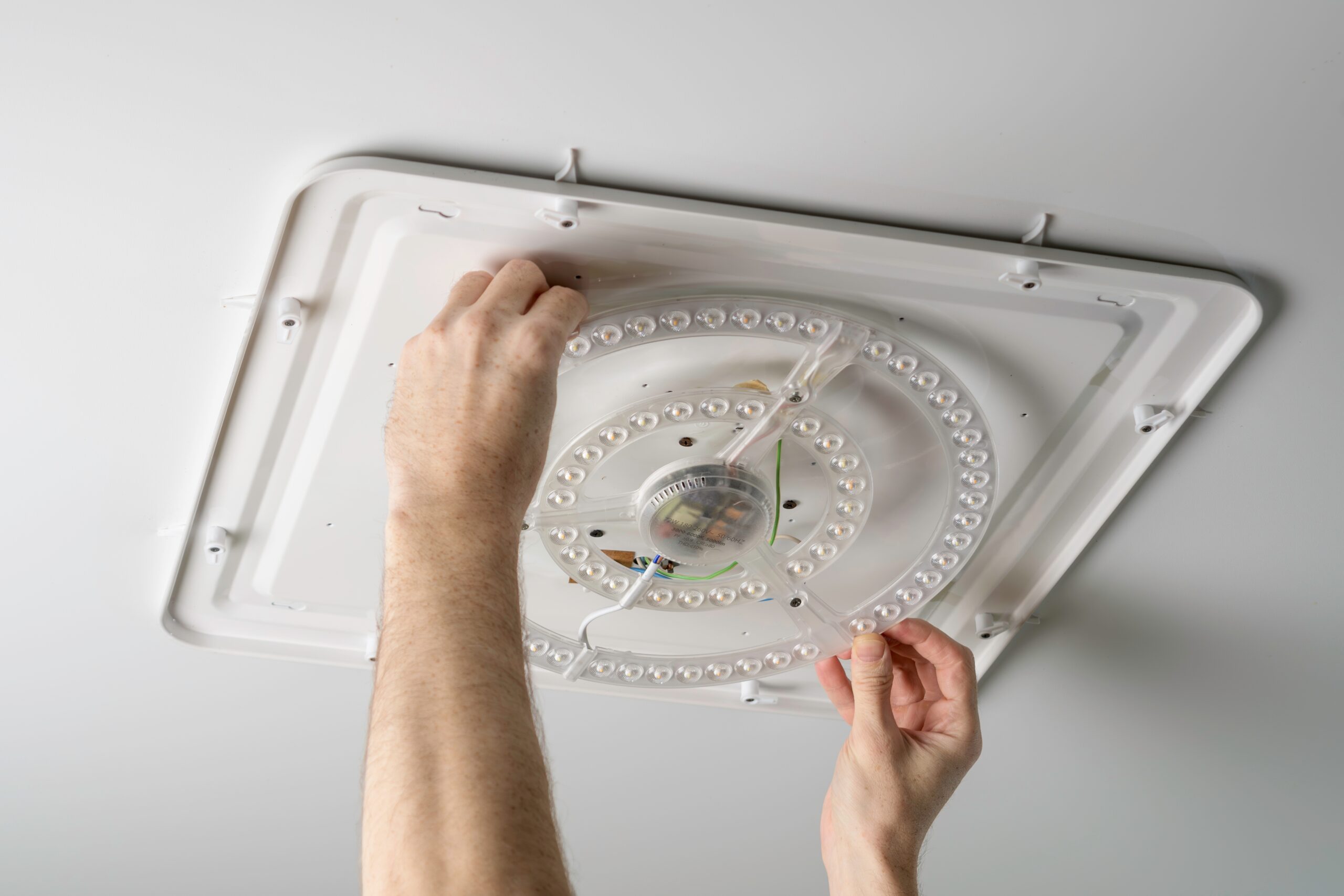
Light Fixture Repair That Keeps Your Home Safe and Well-Lit
A light that flickers, a fixture that burns through bulbs faster than it should, or a fitting that simply stops working is one of those household problems that most people manage around for longer than
How to Install a Toilet: 8-Step Installation Guide
Learn how to install a toilet in eight steps, from measuring the rough-in and inspecting the flange to setting the bowl and testing every connection for leaks.
How to Install a Toilet: 8-Step Installation Guide
Learn how to install a toilet in eight steps, from measuring the rough-in and inspecting the flange to setting the bowl and testing every connection for leaks.
Don’t Sweat the Breakdown: AC Repair That Solves It Fast
A cooling system that stops working in Southern California is not an abstract inconvenience; it is a genuinely uncomfortable situation that gets worse with every hour nobody addresses it. Getting quality AC repair in Gardena,
